Plumbing rarely demands attention until it does, and when it does, the timing is almost always inconvenient. In Sandpoint, Idaho, the combination of cold winters, old cabins with original plumbing, and seasonal vacation rental turnover raises the risk of leaks, frozen lines, and slow drains. Spend a few hours each season on targeted maintenance and you can prevent expensive repairs, preserve the value of your home, and sleep through the night without worrying about a burst pipe ruining the hardwood floors.
Why this matters A single pinhole leak hidden behind a vanity can snake into framing and insulation for months before you notice it. The repair cost balloons not because of the pipe, but because of the water damage, drywall replacement, mold remediation, and time off work. Preventative plumbing is about catching small failures when they are cheap to fix and avoiding the cascade of damage that follows. For Sandpoint homeowners, the payoff is especially high: insulation is thin in older houses, and freeze-thaw stress is a real enemy.
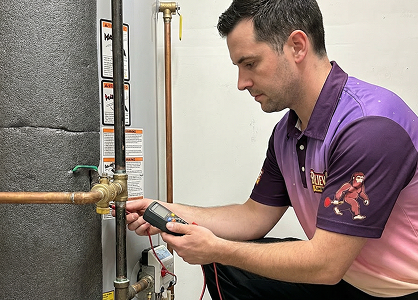
Know your system and its weak points Every house tells a story. When I inspect homes around Sandpoint I pay attention to age and layout before I even crawl under a sink. Homes built before the 1980s often have galvanized steel supply lines or polybutylene replacements. Galvanized lines rust from the inside and reduce flow; polybutylene becomes brittle and fails over time. Newer homes might have PEX and copper, Sandpoint ID Believe Plumbing which are more reliable but not invincible. Your water heater is another focal point. Even a well-functioning unit will develop sediment, a weak sacrificial anode, and worn valves after several years.
Begin with a simple audit. Walk through your house and note visible pipe materials, the age of the water heater, any prior repairs or suspect patches, and the location of the main shutoff valve. If you rent your place during tourist season, add the location of the shutoff to your rental information and label it clearly in the utility closet. Knowing these facts before a problem accelerates every solution.
Seasonal checklist for Sandpoint homes
- winterize outdoor spigots, disconnect hoses, and drain irrigation lines insulate attic and exposed pipes in cold bays and crawl spaces test the main shutoff and each fixture shutoff for easy operation flush your water heater and check the anode rod every 1 to 3 years depending on water quality run a drain maintenance routine: clean visible traps, use enzyme treatment monthly if problems recur
Water temperature, pressure, and the long view High water pressure sounds like a luxury but it shortens the lifespan of appliances and connections. Most residential systems perform best between 40 and 60 psi. Above 60 psi you increase stress at joints and valves. If a pressure gauge on an outdoor spigot reads consistently over 60 psi, install a pressure regulator or call a professional plumber in Sandpoint ID. Pressure regulators wear out; they are cheap to replace when caught early but they can introduce surges if they fail.
Watch water temperature too. Setting the water heater at 120°F limits scald risk and reduces energy use. If you’ve had small children, elderly houseguests, or frequent renters, keep the thermostat at 120°F and add anti-scald mixing valves where necessary. Sediment buildup in the tank lowers efficiency and hides corrosion; a quick flush once a year removes grit, restores efficiency, and lets you inspect the drain valve for leaks.
Freeze prevention and thawing with care Sandpoint winters present the most familiar risks. Pipes in exterior walls, shallow crawl spaces, and unheated garages are prime freeze targets. Even pipes that have never frozen before can do so during an unusually cold snap if wind or snow shifts the thermal envelope of a house. Insulation is the first line of defense. Wrap vulnerable pipes with foam sleeves rated for the pipe diameter and, where practical, add extra insulation to exterior walls and rim joists.
When a pipe freezes, resist the urge to apply an open flame. Use a hair dryer, heat lamp, or hot towels to warm the pipe gradually from the faucet toward the frozen section. If thawing restores flow, run the tap for several minutes to flush remaining ice and watch for leaks when pressure returns. If a pipe bursts during thawing, turn off the main water immediately and call a plumber company in Sandpoint; quick shutoff reduces water loss dramatically.
Detecting small leaks before they grow Most leaks start small. A steady drip from a faucet can waste hundreds of gallons over a month. Hidden leaks behind walls will usually manifest as unexpected spikes in your water bill, soft spots in flooring, or persistent damp odors. Simple tools and habits reduce the chance of surprise. Keep a meter reading log: record your water meter at a consistent time once a week when no water is used. If the meter moves between readings, you have a leak.
Inspect under sinks and behind toilets seasonally. Look for mineral crusts, damp insulation, or mildew stains. Tighten slip nuts on traps and replace worn gasket washers before they fail. Replace old toilet flappers when they begin to let water run between flushes. A running toilet can waste up to 200 gallons a day, so a $5 flapper or an adjustment to the fill valve repays within days.
Drain maintenance that keeps things moving Clogged drains are an annoyance that escalate into backups when neglected. Avoid chemical drain cleaners. They can damage P-traps and older pipes, and they fail on solid blockages like root intrusions or foreign objects. Mechanical cleaning with a drain snake or auger is safer and effective.
For sinks and tubs, clean traps by hand under a basin with gloves and a bucket. For slow bathroom drains, periodic enzyme treatments help break down organic buildup without harsh chemicals. If your home has combined sewer-sump configurations or you experience sewer gas odors, call a licensed plumber in Sandpoint to inspect the venting and sewer line slope. Prevent root intrusion by keeping tree roots away from sewer alignments and schedule a camera inspection if you live in a home with mature trees near the sewer run.
Water quality and its effects on plumbing Sandpoint sits in a region where well water is common; municipal supply is available in many neighborhoods. Hard water increases scale on fixtures, raises detergent costs, and fills aerators with mineral deposits. Test your water hardness if you notice streaking on glassware or early scaling on appliances. Softeners reduce scale but require maintenance and salt upkeep. For households on wells, routine testing for bacteria and nitrates is critical. A well system’s pressure tank and pressure switch also require occasional attention to avoid short cycling and premature pump failure.
When to call a pro and when to do it yourself There is a sensible line between projects a handy homeowner can tackle and those that require a licensed plumber. Replace a leaky flapper, swap a faucet cartridge, or insulate pipes yourself. Attempting more complex tasks such as rerouting supply lines, working on gas water heaters, or cutting into cast iron sewer lines without proper tools and permits can create safety and liability issues.
Call a plumber in Sandpoint if you encounter any of the following: persistent low pressure after checking your fixtures and main valve, sewage backup, gas smell near a water heater, visible corrosion on a water heater tank, or failed pressure regulator. Professional inspection prevents band-aid fixes that hide a growing problem. Believe Plumbing and other local plumbing crews provide emergency response and preventative maintenance plans that many homeowners find worth the monthly peace of mind.
Smart investments that pay off Certain upgrades pay for themselves through avoided repairs and efficiency gains. A pressure-reducing valve with a built-in gauge offers immediate feedback on system health. A recirculating pump for hot water reduces wasted water at remote fixtures, useful in larger Sandpoint homes or those with long runs to guest suites. Battery-operated leak detectors placed near water heaters, under sinks, and by washing machines alert you early and can be integrated with smart home systems for remote shutoff.
Replace old brass or plastic hose bibs with frost-free sillcocks if you use exterior spigots for winter watering. Frost-free models are not invulnerable, they only minimize the chance of freeze-related breaks by positioning the shutoff inside the heated portion of the wall. For vacation rentals, invest in an automatic water shutoff that closes when a leak is detected. The device reduces the risk of long-term water damage during weeks when the property is unoccupied.
Anecdote from the field I once inspected a 1950s cabin near Lake Pend Oreille where the owner had noticed a faint mold smell for months. The plumbing visible in the basement looked fine, so they kept cleaning the upstairs carpets. A camera inspection revealed the culprit: a slow sewer leak inside a horizontal stack hidden behind beadboard, deteriorated cast iron from decades of freeze-thaw cycles. Repair required cutting out a 6-foot section and replacing it with PVC, drying the framing, and replacing insulation. The repair cost less than the continuing mold remediation and far less than a delayed discovery would have required. The owner now schedules a camera check every three years and has a maintenance contract with a plumber company in Sandpoint for peace of mind.
Preparing for emergencies and minimizing damage If a major leak happens, the most valuable thing is a calm, practiced response. Locate and mark the main shutoff valve. Know whether you have supply from a private well or the town line. Shut off electricity to flooded areas if water is near outlets and you suspect energized appliances. Photograph damage for insurance and get water removal started quickly to limit mold growth.
If you employ contractors for repairs, insist on a written estimate and verify licensing and insurance. For Sandpoint properties, request references and check how long the company has been serving Bonner County. Local firms such as Believe Plumbing often build reputations on responsiveness and local knowledge. A plumber familiar with regional issues will notice patterns that an out-of-area crew might miss.
Routine tasks that save money and heartbreak Make these steps part of an annual habit and you will reduce the likelihood of disaster.
Schedule a water heater flush and anode inspection based on your water quality. Replace supply hoses to washing machines every five years, sooner if you use braided stainless steel or notice bulging. Test sump pumps and battery backups before snow season. Label shutoffs clearly and keep a basic tool kit and bucket under the laundry sink. For homes with septic systems, pump the tank on a schedule recommended by a professional based on household size, but generally every three to five years.
When to upgrade rather than patch There are times when replacing a system is the sensible choice rather than repairing it repeatedly. Galvanized supply lines, multiple patched sections of sewer line, or a water heater older than 10 to 15 years usually justify replacement. Upgrading to PEX or new copper and installing a modern high-efficiency water heater reduces long-term maintenance and lowers the chance of catastrophic failure. Factor in the disruption of a full replacement against the chronic inconvenience and costs of repeated repairs; often the upgrade is less expensive over a decade.
Closing thought without the clichés Plumbing maintenance rewards steady attention more than heroic interventions. In Sandpoint, where weather and age conspire against systems, a few prudent checks each year, the right upgrades, and a relationship with a local plumber in Sandpoint will pay for themselves many times over. Preventative care keeps your house dry, your bills lower, and your weekends yours to enjoy on the lake rather than dealing with emergency crews. If you want help prioritizing actions for your specific property, an experienced local plumber company in Sandpoint can walk through the house, point to the real risks, and build a schedule that fits your budget and lifestyle.
Believe Plumbing
819 US-2, Sandpoint, ID 83864
+1 (208) 690-4948
[email protected]
Website: https://callbelieveplumbing.com/